

Ayushman Bharat Needs A Strong Primary Care Backbone
Ayushman Bharat is one of India’s most important healthcare reforms. It reflects a clear national commitment to move towards universal health coverage and reduce the financial burden of healthcare on families. But Ayushman Bharat is not only about hospital treatment.
It has two important pillars. The first is financial protection through PM-JAY, which helps eligible families access hospital care without catastrophic expenditure and the second is comprehensive primary healthcare through Ayushman Arogya Mandirs, which are designed to bring essential health services closer to communities.
Both pillars matter. But if India wants to build a stronger, more equitable health system, the primary care pillar must become much stronger.
Why Hospital Coverage Alone Is Not Enough
Hospital care is essential. Families need financial protection when serious illness, surgery, emergency care, or hospitalization occurs. But universal healthcare cannot begin only after a person becomes seriously ill. By the time many patients reach a hospital, the disease may already have progressed. The cost is higher. The treatment is more complex. The family is under stress. The outcome may be poorer. This is especially true for conditions like hypertension, diabetes, tuberculosis, cancer, high-risk pregnancy, childhood illness, and chronic respiratory disease. Many of these conditions can be detected earlier, managed better, or prevented from becoming severe through strong primary care.
This is why Ayushman Bharat must be seen not only as a hospital-financing reform, but as a full health-system reform.
The Role Of Ayushman Arogya Mandirs
Ayushman Arogya Mandirs have the potential to become the most important touchpoint between families and the health system. They can provide preventive, promotive, curative, rehabilitative, and palliative services closer to the community.
A strong Ayushman Arogya Mandir should be able to support:
Maternal and child health
Immunization
Screening for hypertension and diabetes
Basic management of common illnesses
Cancer screening awareness and referral
Mental health support
Elderly & palliative care
Health promotion and counselling
Medicine adherence
Follow-up care
Timely referral
This is the kind of care that prevents illness from becoming a crisis. But for this to happen, primary care facilities must be equipped, staffed, trusted, and connected to higher levels of care.
The Missing Link: Continuity Of Care
One of the biggest challenges in healthcare is not only access. It is continuity.
A patient may be screened once but never followed up.
A person may be diagnosed with hypertension but stop taking medicines.
A diabetic patient may visit only when symptoms become serious.
A pregnant woman may register for care but miss key check-ups.
A referred patient may never reach the next facility.
This is where primary healthcare becomes critical. Strong primary care creates continuity. It keeps track of people. It follows up. It counsels. It reminds. It refers. It supports families over time. Healthcare should not be a series of disconnected events. It should be a continuous relationship between people and the health system.
Primary Care Reduces Pressure On Hospitals
When primary care works well, hospitals can focus on the cases that truly need advanced care. Many complications can be avoided through early detection and regular follow-up.
For example:
A person with uncontrolled blood pressure may avoid stroke through regular monitoring and treatment.
A diabetic patient may avoid kidney, eye, or foot complications through routine care.
A high-risk pregnancy can be identified early and referred on time.
A child with warning signs can receive timely attention before illness worsens.
This is not only better for patients. It is better for the entire health system. Strong primary care reduces avoidable hospital visits, lowers long-term costs, and improves outcomes.
The Workforce Question
The success of Ayushman Arogya Mandirs depends heavily on the people delivering care.
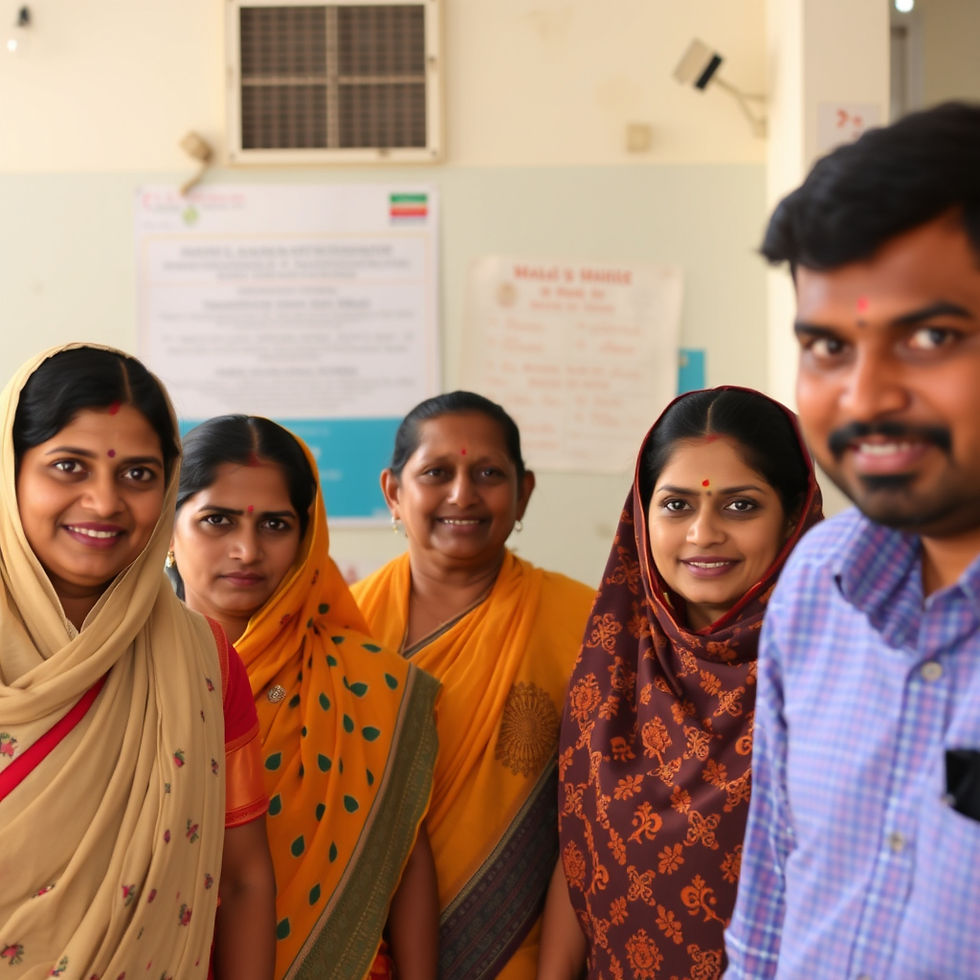
Community Health Officers, ANMs, ASHAs, nurses, and other frontline workers are central to primary healthcare delivery. They are expected to screen, counsel, document, follow up, refer, mobilize communities, and support multiple national programmes.
This is a major responsibility. To perform this role effectively, they need more than guidelines. They need practical training, supportive supervision, digital confidence, communication skills, clinical understanding, and clear workflows.
If we strengthen frontline health workers, we strengthen Ayushman Bharat from the ground up.

What India Needs To Do Next
The next phase of Ayushman Bharat should focus deeply on primary care quality and continuity.
This means:
Ensuring reliable medicines and diagnostics
Strengthening referral systems
Improving follow-up mechanisms
Supporting frontline workers with regular capacity building
Using digital tools for continuity of care
Building community trust
Measuring outcomes, not only service numbers
We should ask not only how many people visited a facility, but whether their health risk was identified, whether they received counselling, whether follow-up happened, and whether referral was completed. That is how primary healthcare becomes meaningful.
Ayushman Bharat has created an important foundation for India’s universal healthcare journey. But its long-term success will depend on how strongly we build the primary care layer. PM-JAY protects families when hospitalization is needed. Ayushman Arogya Mandirs can help ensure that hospitalization is not needed too late, too often, or for preventable complications.
India needs both. Financial protection after illness. And strong primary care before crisis.
The future of universal healthcare will depend on how well we connect these two pillars.


Comments